Google Algorithm Updates Impact Local SEO Rankings

Google’s recent algorithm updates are reshaping local SEO rankings. Here’s what changed and how businesses can adapt:
- Proximity First: Businesses closer to searchers now rank higher.
- Content Quality Matters: Local expertise and user-focused content outperform keyword stuffing.
- Mobile Optimization: Fast, mobile-friendly websites are now essential.
- Google Business Profiles: Accurate NAP (Name, Address, Phone) details and complete profiles are critical.
- Reviews Build Trust: Positive customer feedback directly impacts rankings.
To stay competitive, focus on improving your Google Business Profile, creating high-quality local content, optimizing for mobile, and encouraging customer reviews. These steps can help you maintain visibility in the evolving local search landscape.
2023 Local SEO Ranking Factors – How to Rank in Local Search Results
Changes in Google Updates That Impact Local SEO
Google’s latest updates have shifted how local search rankings work, focusing more on content quality, user experience, and relevance to specific locations.
Content Quality and User Experience
The August Core Update 2024 made the helpful content system a key ranking factor. Now, Google favors content that shows local expertise, delivers accurate details, and stays up-to-date. Businesses that create content tailored to their local audience – rather than just stuffing keywords – are seeing better results.
In March 2024, another update highlighted the role of user experience in local rankings. Factors like mobile-friendly design, fast page loading, easy navigation, and high user engagement now carry more weight. To stay competitive, businesses need websites that load quickly and are simple to use on any device.
Google Maps and Local Pack Changes
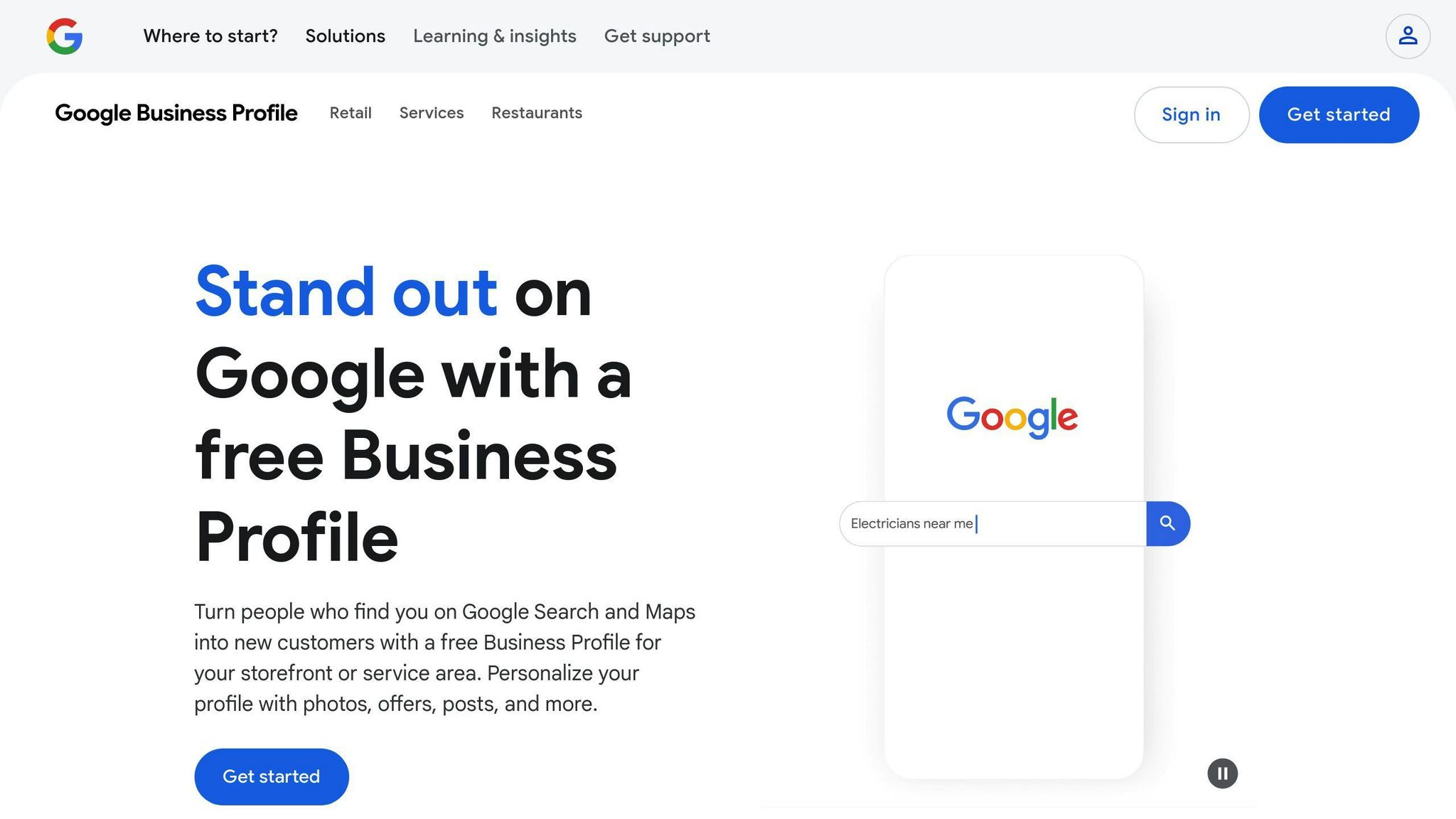
Google has tightened its criteria for ranking in Google Maps and Local Pack results. Consistent NAP (Name, Address, Phone) details and fully completed Google Business Profiles are now must-haves. Businesses with shared addresses face stricter duplicate detection, making it harder to stand out.
Trustworthiness is now a bigger factor in rankings, while internal linking has less influence. This benefits businesses with strong local reputations and active online community engagement.
To keep up, businesses should focus on refining their digital presence, ensuring accurate information, and building trust with their local audience.
sbb-itb-c74901f
Steps to Adjust and Improve Local SEO
Improving Google Business Profiles
Start by regularly checking and updating your NAP (Name, Address, Phone) information across all platforms to avoid ranking penalties. Be cautious about using unnecessary keywords in your business name, as this can result in penalties.
Make sure your profile is complete. Add high-quality photos, accurate business hours, and detailed descriptions of your services. Choose business categories that directly reflect your main offerings instead of picking unrelated options.
After optimizing your Google Business Profile, shift your focus to ensuring your website provides a smooth experience for mobile users.
Making Websites Mobile-Friendly
Since most local searches happen on mobile devices, having a mobile-friendly site is essential. Here are some key areas to focus on:
| Mobile Factor | Why It Matters |
|---|---|
| Page Load Speed | Faster pages keep users engaged longer |
| Responsive Design | Ensures content fits any screen size |
| Touch-Friendly Elements | Makes navigation easier for users |
| Readable Text | Improves readability without zooming |
Use Google’s Mobile-Friendly Test tool to spot and fix any issues. Compress and optimize images to speed up load times, especially on slower mobile networks.
A well-optimized mobile site not only helps rankings but also encourages users to leave positive reviews by offering a better experience.
Encouraging Customer Reviews and Feedback
Customer reviews are a key factor in building trust and improving local rankings. Simplify the process by using tools like QR codes to make it easy for customers to leave feedback.
When replying to reviews, stay professional and address specific points raised by customers. This shows you’re paying attention and helps build trust with future customers.
"Businesses can improve their local rankings by optimizing their Google My Business listings and creating location-specific content", says Joy Hawkins, a well-known local SEO expert.
How to Recover from Local Ranking Drops
Bouncing back from local ranking drops requires a clear plan that aligns with Google’s latest algorithm updates.
Tracking Changes with SEO Tools
Use tools like Google Search Console to track key metrics such as click-through rates, average position, and impressions. These insights help pinpoint underperforming pages. Additionally, Google Business Profile Insights can reveal how customers interact with your listing, offering clues to areas needing improvement.
Once you’ve identified where the drop occurred, it’s time to analyze what top-performing competitors are doing right.
Learning from Competitors and Their Content
Take a close look at the content of competitors who rank well. Pay attention to how they engage their audience, the depth of their content, and how relevant it is to local users. For example, the August 2024 Core Update brought noticeable shifts in the beauty and fitness industries.
To close the gap, focus on these areas:
- Content depth and expertise: Are competitors providing more detailed or authoritative information?
- Local relevance: Are they better at signaling their connection to the local area?
- User experience: How easy is it to navigate their site?
- Mobile optimization: Is their mobile experience smoother and faster?
Once you’ve identified where your site lags, you can start addressing those gaps.
Addressing Problem Areas
Start by fixing technical issues before tackling content updates. Use Google Search Console to prioritize pages with the steepest ranking drops. Ensure your content aligns with user intent across all four key search types: informational, navigational, transactional, and commercial.
For local businesses, check for inconsistencies in your Name, Address, and Phone number (NAP) details and revisit the optimization steps discussed earlier. If challenges persist, consider consulting local SEO specialists who can craft solutions tailored to your market and industry.
Conclusion: Staying Updated with Local SEO Changes
Recovering from ranking drops is just one piece of the puzzle. Staying ahead in local SEO demands consistent effort and a readiness to adjust. With Google’s algorithm updates constantly shaping the landscape, businesses need to stay proactive to keep up.
Managing your online reputation is also essential for maintaining visibility in local search results.
To navigate this ever-changing environment, focus on these three priorities highlighted by Google’s recent updates:
- Content Quality and Relevance: Craft content that is not only high-quality but also locally focused. It should showcase expertise and address the needs of your audience.
- User Experience Optimization: According to John Mueller, a strong user experience is key to sustaining local rankings. Ensure your website loads quickly, works well on mobile devices, and offers easy navigation.
- Proactive Monitoring and Adjustments: Tools like Google Search Console can help you track performance and refine your strategies based on real data.
"The integration of the helpful content system into core updates indicates a trend towards more holistic evaluations of website content".
Success in local SEO requires ongoing effort. By staying informed about algorithm updates and focusing on delivering value to your local audience, you can protect and even enhance your visibility in search results.
If you’re looking for expert support, consider partnering with SEO professionals who understand your local market. They can create strategies tailored to the latest algorithm changes, helping your business maintain a competitive edge in local search.
Related posts

Dorian Menard
https://staging.searchscope.com.auI’m Dorian, founder of Search Scope and an SEO obsessed with ROI and lead generation. After a decade in the trenches, I’ve built and ranked digital assets for businesses across the world. I cut through the noise with data, automation, and strategies that actually convert. When I’m not scaling rankings, you’ll find me on a motorbike or setting chess traps — always planning three moves ahead.