What is an SEO Audit? The Cornerstone of Every Good SEO Campaign

An SEO audit is a detailed checkup of your website’s search engine performance. It identifies what’s working, what’s not, and how to improve. The process focuses on three main areas:
- Technical SEO: Ensures search engines can crawl and index your site (e.g., site speed, mobile usability).
- On-Page SEO: Optimizes content, keywords, and meta tags for better visibility.
- Off-Page SEO: Examines backlinks and online reputation to boost authority.
Why It’s Important:
- Fixes technical issues affecting rankings.
- Optimizes content for better keyword targeting.
- Builds trust and authority through backlinks.
When to Do It:
- After major website changes.
- During traffic drops.
- Regularly: Every 6-12 months.
Use tools like Google Search Console (free) or SEMrush (paid) to conduct audits and track progress. Start with critical issues like crawl errors and slow-loading pages to see the biggest impact.
Key Takeaway:
An SEO audit keeps your website healthy, improves search rankings, and ensures long-term performance. Regular audits are essential for staying competitive.
Comprehensive SEO Audit Guide: Perfect for Beginners!
The SEO Audit Process
Setting Objectives for an SEO Audit
Defining clear objectives is key to aligning your SEO audit with your business goals and addressing specific challenges. Focus on areas that directly impact your website’s search performance:
| Objective Type | Focus Areas | Expected Outcome |
|---|---|---|
| Performance | Site speed, mobile usability | Better user experience and higher rankings |
| Technical | Crawl errors, indexing issues | Improved accessibility for search engines |
| Content | Keyword usage, content gaps | Increased organic visibility |
| Competitive | Market position, backlink quality | Stronger domain authority |
Once your objectives are set, the next step is choosing the right type of audit to meet your website’s needs.
Types of SEO Audits
SEO audits generally fall into three categories: technical, on-page, and off-page. Each serves a specific purpose:
- Technical SEO Audit: Focuses on foundational issues like site speed, mobile usability, and crawl errors.
- On-Page SEO Audit: Examines content optimization, meta tags, and keyword usage.
- Off-Page SEO Audit: Reviews backlinks and online reputation to boost authority.
"An SEO audit is a comprehensive review of your website’s SEO effectiveness. It can help identify areas where your site needs improvement, such as poor keyword selection, broken links, or duplicate content."
When to Conduct an SEO Audit
Timing your audits strategically can make a big difference. Here are the best times to schedule them:
| Timing | Reason |
|---|---|
| After major website changes | Check if updates have impacted SEO |
| During traffic drops | Diagnose and resolve performance issues |
| Quarterly maintenance | Ideal for medium-sized businesses |
| Bi-annual review | Suitable for small businesses |
"SEO audits are an essential part of any SEO analysis. At the base minimum, they help keep your clients’ websites healthy and energized."
A healthy website typically maintains a site health score above 90% to stay competitive in search rankings. Regular audits, combined with the right tools, ensure your site remains optimized and ready to perform.
Key Parts of an SEO Audit
Technical SEO Analysis
Technical SEO analysis focuses on your website’s structure and accessibility. These elements directly impact how search engines crawl and index your site.
| Technical Element | Key Focus Areas | Impact on SEO |
|---|---|---|
| Site Architecture | Crawlability & URL structure | Helps search engines index pages effectively |
| Page Speed | Load time, Core Web Vitals | Influences user experience and rankings |
| Mobile Optimization | Responsive design, viewport settings | Critical for mobile-first search results |
| Security | SSL certificates, HTTPS protocol | Builds trust and affects rankings |
Use tools like Google Search Console to find crawl errors and indexing issues. Once your technical setup is in place, you can shift your focus to optimizing individual pages.
On-Page SEO Evaluation
On-page SEO involves optimizing content to meet the needs of both users and search engines. This step goes beyond just keywords, aiming to create content that is both valuable and technically sound.
Key areas to focus on include:
| Element | Optimization Focus | Purpose |
|---|---|---|
| Content Structure | Headers, meta descriptions | Enhances readability and click-through rates |
| Keyword Integration | Primary and secondary keywords | Aligns content with search intent |
| Internal Linking | Strategic anchor text, site hierarchy | Helps distribute page authority |
| User Experience | Readability | Boosts engagement metrics |
Once on-page elements are optimized, it’s time to look at external factors that influence your site’s authority.
Off-Page SEO Assessment
Off-page SEO looks at your site’s reputation and authority across the web. These factors help establish trust and credibility.
| Factor | Evaluation Criteria | Significance |
|---|---|---|
| Backlink Quality | Domain authority, relevance | Strengthens site authority |
| Brand Mentions | Frequency and tone of mentions | Improves online visibility |
| Social Signals | Engagement, reach | Indicates content popularity |
| Local Citations | Accuracy, consistency | Important for local SEO efforts |
Tools like SEMrush and Screaming Frog can simplify this process by offering detailed insights to help you prioritize changes. Combining technical, on-page, and off-page strategies creates a strong foundation for improving your search rankings.
sbb-itb-c74901f
Tools for SEO Audits
Tools for SEO Audits
SEO audits rely on specific tools designed to analyze different aspects of a website’s performance. These tools each have unique strengths that can help you identify and address issues effectively.
| Tool | Primary Function | Key Features | Pricing |
|---|---|---|---|
| Google Search Console | Performance Monitoring | Indexing status, Search analytics, Mobile usability | Free |
| SEMrush Site Audit | Technical Analysis | Over 140 technical checks, Scheduled audits, Custom reports | From $139.95/month |
| Screaming Frog | Website Crawling | In-depth technical analysis, Bulk URL checks, Custom filters | $259/year |
| Ahrefs Site Audit | Broad Analysis | Technical SEO checks, Content audit, Performance tracking | Various plans |
| PageSpeed Insights | Speed Optimization | Core Web Vitals, Mobile/Desktop performance analysis | Free |
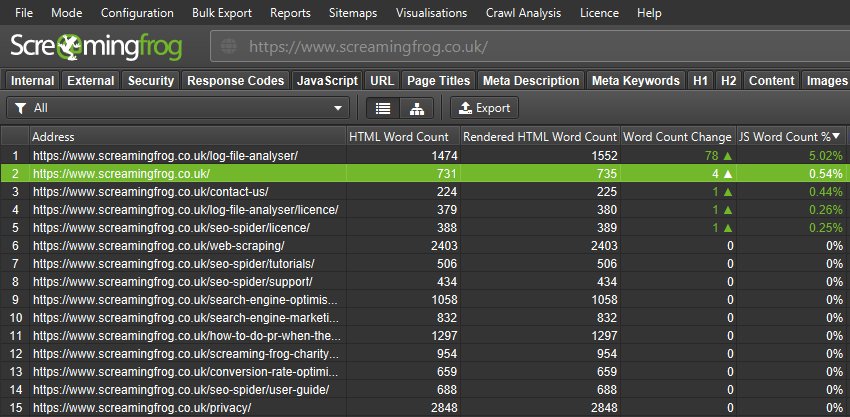 Screaming Frog is our tool of choice here at Search Scope.
Using Tools Effectively
The key to getting the most out of these tools is focusing on actionable insights rather than just collecting data. Here’s how to make them work for you:
- Use Screaming Frog to zero in on specific issues like broken links or duplicate content. Export reports that highlight critical problems to tackle first.
- Take advantage of SEMrush’s automated audits to regularly monitor your site’s health without manual effort.
- Pay attention to Google Search Console weekly to catch urgent problems like indexing errors or sudden drops in traffic.
When fixing issues, prioritize changes that improve user experience and search rankings. For example, addressing slow-loading pages or fixing mobile usability issues can have a direct impact. This targeted approach is especially helpful for larger sites where resources may be stretched.
For most businesses, conducting a full SEO audit every quarter strikes a good balance between maintaining performance and managing time. However, keep an eye on essential metrics weekly to stay ahead of any major issues. Once you’ve gathered insights, focus on implementing changes that lead to measurable improvements.
Analyzing Results and Taking Action
Prioritizing Issues
Once your SEO audit is complete, you’ll likely uncover a range of issues. The challenge is deciding what to tackle first. Focus on impact and urgency to prioritize:
| Priority Level | Impact | Examples | Timeframe |
|---|---|---|---|
| Critical | Severe impact on rankings/traffic | Crawl errors, broken links, indexing issues | Within 48 hours |
| High | Noticeable performance effects | Mobile usability, slow loading pages | Within 2 weeks |
| Medium | Moderate optimization needs | Meta descriptions, content gaps | Within 4 weeks |
| Low | Minor improvements | Image alt tags, URL structure | Within 3 months |
Start with critical issues, like crawl errors or indexing problems, as these can block search engines from accessing your site. As HubSpot & RYTE point out, "One of the biggest mistakes that webmasters, marketers, and SEOs can make is to consider SEO a static measure." This underscores the importance of ongoing monitoring and adjustments.
Once you’ve prioritized, it’s time to turn those insights into actionable steps.
Creating an Action Plan
Transform your audit findings into a structured plan:
- Organize Findings and Set Goals
- Use a spreadsheet to list issues by type and priority.
- Define clear, measurable goals for each issue.
- Include status updates and target completion dates.
- Assign Resources
- Identify who will handle each task and set feasible deadlines.
- Decide whether internal resources are sufficient or if outside help is needed.
A well-organized plan ensures you’re tackling the right issues and staying on track.
Tracking Progress After the Audit
To measure the effectiveness of your fixes, monitor both technical and business metrics:
| Metric Category | What to Track | Monitoring Frequency |
|---|---|---|
| Technical Health | Crawl errors, page speed, mobile usability | Weekly |
| Search Performance | Keyword rankings, organic traffic | Every 2 weeks |
| User Engagement | Bounce rate, time on site, pages per session | Monthly |
| Business Impact | Conversions, revenue from organic traffic | Monthly |
"When you start a new SEO activity and try out a hot technique, you test the water first. You make small steps, measure, analyze, and decide if the endeavor is worth your while."
Keep in mind that SEO results often take 4-12 months to become noticeable. Regularly review your progress and adjust your strategy as needed. Tools like Google Search Console are invaluable for tracking technical health.
Focus on improving high-converting pages first. It’s not just about traffic – engaged visitors are far more valuable. Keep refining your approach based on the data you collect.
Conclusion
Key Points
An SEO audit is a critical step in building a successful SEO strategy. It reveals how your website is performing and highlights areas that need improvement. Websites that are properly optimized and rank on the first page of search results can see up to 30% higher click-through rates compared to those ranked lower.
A thorough SEO audit examines three main areas: technical SEO (site architecture and how search engines access your site), on-page SEO (content and keyword optimization), and off-page SEO (backlinks and domain authority). These insights help businesses take clear, actionable steps to improve and maintain their SEO performance.
Next Steps for Businesses
To make the most of your SEO audit findings, follow these steps:
- Use tools like Google Search Console to perform a detailed audit.
- Tackle issues in order of priority, focusing on fixes that will have the most impact.
- Regularly track your progress to ensure your SEO efforts are paying off.
Keep an eye on your website’s technical health, search rankings, and overall business performance to stay on top of your SEO strategy (refer to the previous section for metrics to monitor). Keep in mind, SEO results usually take 4-12 months to show.
"SEO audits are crucial for identifying weaknesses in a website’s SEO strategy and providing actionable recommendations for improvement"
SEO isn’t a one-and-done task – it’s an ongoing process. Whether you handle audits internally or work with Perth SEO experts, sticking to a regular audit schedule will help your website stay competitive and continue to deliver strong results for your business.
FAQs
What is a local SEO audit?
A local SEO audit examines how well your business performs in local search results. It focuses on several areas to assess and improve your visibility:
| Key Component | Focus Areas |
|---|---|
| Local Presence | Google Business Profile, Directory Listings, Reviews |
| Website Optimization | Local Keywords, Location-Specific Content, Mobile Usability |
| Technical Elements | Schema Markup, Site Speed, Mobile Compatibility |
Running these audits every 3-6 months helps maintain strong local visibility. Pay special attention to fixing inconsistent directory listings and optimizing your Google Business Profile to boost your local search rankings.
Unlike general SEO audits, which look at your overall online presence, local SEO audits zero in on strategies to connect with nearby customers. This targeted approach ensures your business stays relevant and accessible in your community.
Related posts

Dorian Menard
https://staging.searchscope.com.auI’m Dorian, founder of Search Scope and an SEO obsessed with ROI and lead generation. After a decade in the trenches, I’ve built and ranked digital assets for businesses across the world. I cut through the noise with data, automation, and strategies that actually convert. When I’m not scaling rankings, you’ll find me on a motorbike or setting chess traps — always planning three moves ahead.